

white mirror with lights
The Elegance of Ornamental Post Caps Ornamental post caps, with their intricate designs and varied materials, are more than mere architectural embellishments; they are a testament to the human desire to beautify the built environment. These caps, perched atop wooden or metal posts, serve both practical and aesthetic purposes. They protect the post from weathering and rot, while simultaneously enhancing the overall appearance of fences, gates, and decks. The history of ornamental post caps can be traced back to ancient civilizations where simple stone or clay tops were used to shield wooden supports from the elements. As architecture evolved, so did the design of these caps. In Victorian times, for instance, they became more elaborate, often fashioned from cast iron and adorned with twisting vines, floral motifs, and mythical creatures. This period saw a surge in decorative arts as a reflection of societal wealth and taste. Today, ornamental post caps come in a plethora of styles to suit various architectural preferences. From classic Greek and Roman motifs to modern abstract patterns, the variety is vast. Materials have also diversified, including polyvinyl chloride (PVC), fiberglass, copper, and even recycled plastic. Each material brings its unique durability and maintenance requirements. For instance, PVC is low-maintenance and budget-friendly, whereas copper offers a timeless appeal but requires periodic sealing to prevent patina. Designers and homeowners alike appreciate the versatility of ornamental post caps Designers and homeowners alike appreciate the versatility of ornamental post caps Designers and homeowners alike appreciate the versatility of ornamental post caps Designers and homeowners alike appreciate the versatility of ornamental post caps ornamental post cap . They can make a bold statement with bright colors and daring designs or blend unobtrusively into the background with muted shades and subtle patterns. The choice often reflects the personality of the owner and the character of the property. In addition to their visual impact, ornamental post caps play a crucial role in extending the lifespan of posts. Moisture is a wood's worst enemy, and an effective cap acts as an umbrella, directing rain and snow away from the exposed end grain. By doing so, these decorative items help maintain the structural integrity of the support system, ensuring that fences and decks remain sturdy for years to come. Moreover, the installation of an ornamental post cap is a straightforward task that can be accomplished by a DIY enthusiast or a professional. It involves placing the cap on top of the post and securing it with nails or specialized adhesive designed for the cap's material. This ease of installation makes them an accessible option for those looking to enhance their outdoor spaces without undertaking complex projects. In conclusion, the allure of ornamental post caps lies not only in their ability to protect but also in their power to transform. They serve as tiny works of art at the edges of our homes, quietly guarding while gracefully enhancing. Whether one chooses a classic design or a contemporary flair, an ornamental post cap is a simple yet effective way to elevate the aesthetic appeal of any property.
about
white mirror with lights
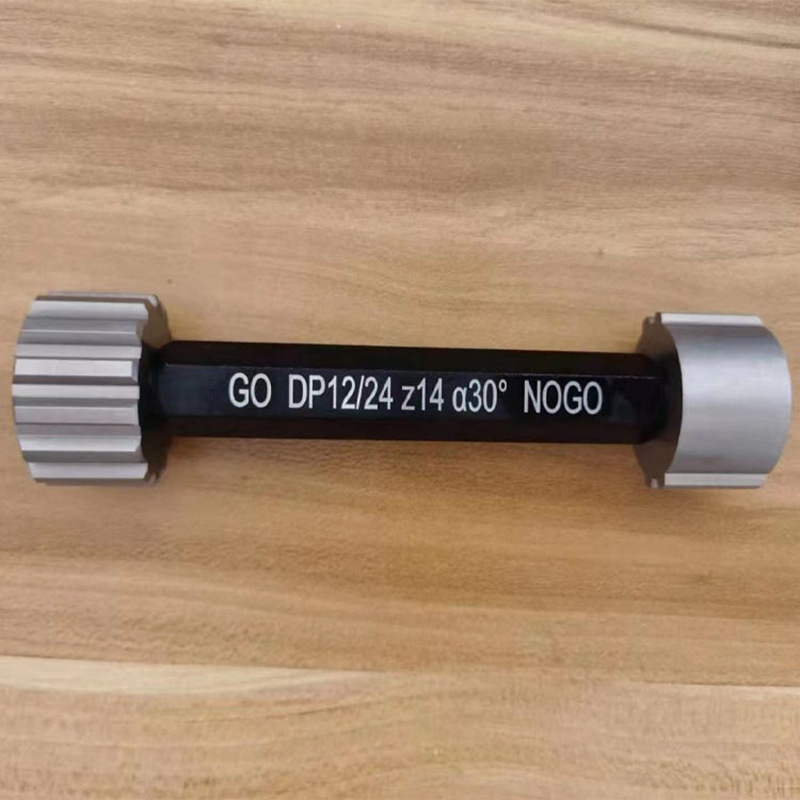
In the highly regulated world of medical device manufacturing, precision isn’t just a goal—it’s a necessity. From surgical instruments to implantable devices, even the slightest dimensional inaccuracy can compromise patient safety, product performance, or regulatory compliance. Among the tools that ensure this precision, small hole gauges , plug gauges , and plug ring gauges play pivotal roles. This article explores how these instruments contribute to accuracy, quality, and efficiency in medical device production, while addressing common questions about their advantages and applications. The Critical Role of Small Hole Gauges in Medical Device Manufacturing Small hole gauges are indispensable for measuring the internal diameters of tiny bores, a common feature in devices like catheters, hypo tubes, and fluid delivery systems. These gauges operate by expanding a tapered spindle or split-ball mechanism within a hole, allowing technicians to measure dimensions with micrometer-level precision. In medical device production, components often require holes as small as 0.1 mm in diameter. A deviation of even a few microns can affect how parts fit together or interact with biological systems. For example, an oversized hole in a drug-eluting stent could alter medication release rates, while an undersized needle bore might impede fluid flow during injections. Small hole gauges mitigate these risks by providing reliable, repeatable measurements that align with strict tolerances. Moreover, these gauges are designed for compatibility with sterile environments. Many medical-grade small hole gauges feature corrosion-resistant materials like stainless steel or titanium, ensuring durability and preventing contamination—a critical factor in compliance with ISO 13485 and FDA standards. Understanding Plug Gauges and Plug Ring Gauges: Tools for Precision While small hole gauges excel at measuring variable diameters, plug gauges and plug ring gauges serve as go/no-go tools for verifying fixed hole and shaft sizes. A plug gauge typically consists of a cylindrical pin with two ends: one at the maximum acceptable dimension (the “go” side) and one at the minimum (the “no-go” side). If the “go” end fits into a hole but the “no-go” end does not, the part passes inspection. Plug ring gauges , on the other hand, are used to assess external diameters, such as the shafts of surgical screws or connectors. Like their plug counterparts, they validate whether a component’s dimensions fall within predefined limits. Together, these tools streamline quality control processes by enabling rapid, unambiguous checks without requiring complex setups. In medical manufacturing, plug gauges and plug ring gauges are often employed during high-volume production runs. For instance, a plug gauge might verify the inner diameter of hundreds of syringe barrels per hour, while a plug ring gauge ensures that spinal implant rods meet exact thickness specifications. Their simplicity reduces human error, making them ideal for maintaining consistency across batches. Ensuring Accuracy: Best Practices for Using Small Hole Gauges and Plug Gauges To maximize the accuracy of small hole gauges , plug gauges , and plug ring gauges , manufacturers must adhere to rigorous protocols: Calibration: Regularly calibrate gauges against certified master standards to account for wear or environmental factors like temperature fluctuations. Handling: Train technicians to avoid excessive force when inserting gauges, which can distort measurements or damage delicate components. Material Compatibility: Select gauge materials that match the hardness of the parts being tested to prevent abrasion. Documentation: Maintain records of calibration dates, inspection results, and maintenance activities to satisfy audits. For small hole gauges , proper technique is especially critical. Operators must ensure the gauge is centered in the hole and gently expanded until it contacts the walls. Misalignment can lead to false readings, risking the approval of non-conforming parts. Similarly, plug gauges should be cleaned after each use to prevent debris from affecting measurements. FAQs: Answering Your Questions on Small Hole Gauges, Plug Gauges, and Plug Ring Gauges What Are the Advantages of Using Small Hole Gauges in Medical Device Production? Small hole gauges offer unmatched versatility for measuring variable hole sizes, especially in hard-to-reach areas. Their adjustable design reduces the need for multiple fixed gauges, saving time and costs while ensuring precision. How Do Plug Gauges Improve Quality Control? Plug gauges provide instant pass/fail feedback, simplifying inspections and reducing human error. Their durability and ease of use make them ideal for high-throughput environments common in medical device manufacturing. Why Choose Plug Ring Gauges Over Other Measuring Tools? Plug ring gauges deliver rapid, reliable assessments of external diameters. Unlike digital calipers, they require no power or calibration during use, ensuring uninterrupted workflow in sterile production settings. Can Small Hole Gauges Measure Non-Circular Holes? Standard small hole gauges are designed for cylindrical holes. However, specialized versions with segmented anvils can accommodate slight irregularities, making them suitable for certain medical components with non-standard geometries. Are Plug Gauges Compatible with Automated Inspection Systems? Yes! Many plug gauges and small hole gauges can be integrated into automated quality control systems, enabling real-time data collection and analysis for process optimization. In an industry where precision saves lives, small hole gauges , plug gauges , and plug ring gauges are more than tools—they’re guardians of quality. By understanding their applications, advantages, and best practices, medical device manufacturers can uphold the highest standards while streamlining production. Whether you’re verifying a microscopic catheter bore or a critical implant shaft, these instruments ensure that every dimension aligns with the exacting demands of healthcare.
-

High quality industrial productsagement

High quality industrial products
View Details -

Meet the diverse needs of customers

Meet the diverse needs of customers
View Details -

Strict quality control

Strict quality control
View Details -

Top raw materials

Top raw materials
View Details -

Trusted supplier

Trusted supplier
View Details
Our application

news and information
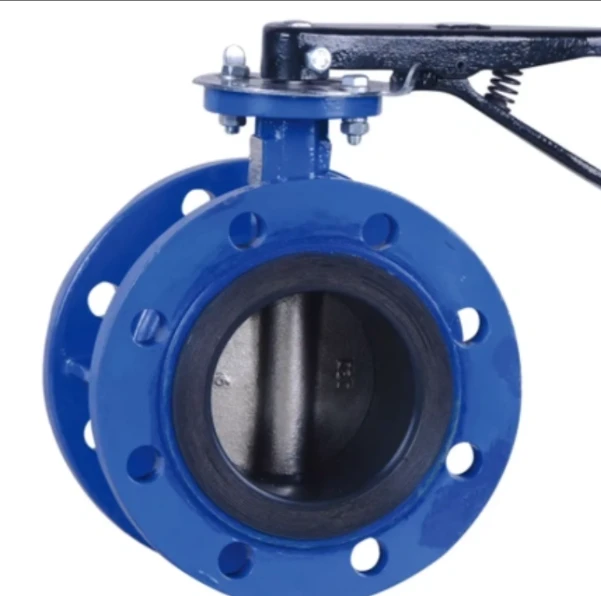
válvula de retenção do pistão
Válvula de Chegada com Pistão Um Componente Essencial na Indústria As válvulas de chegada, especialm
V Blocks Available for Purchase at Great Prices
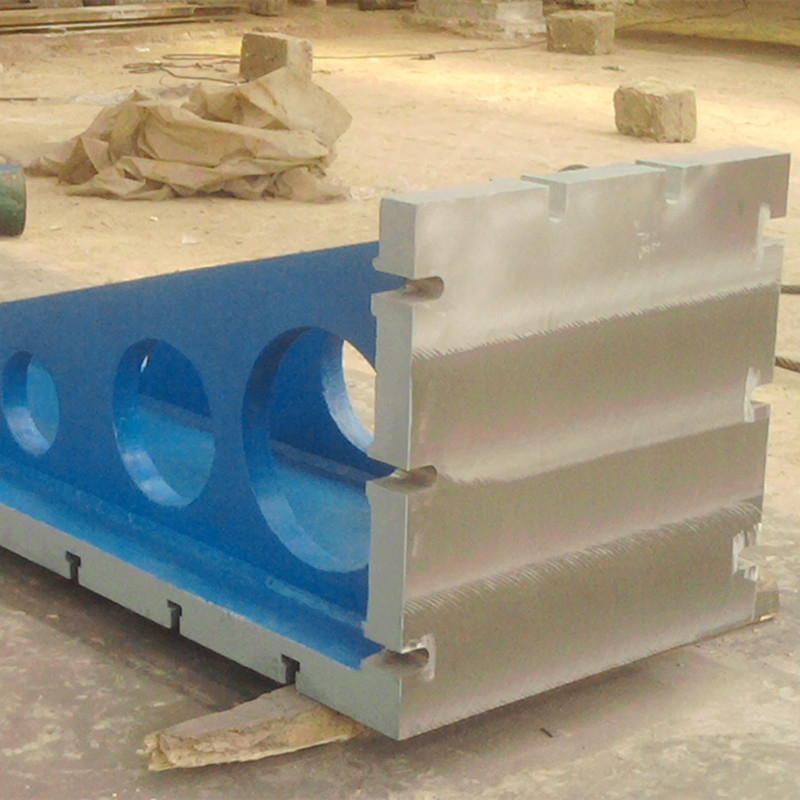
V Blocks for Sale A Comprehensive Guide V blocks, also known as V-blocks or V-block clamps, are esse
valve water
Understanding Valve Water The Key to Efficient Water Management Water is one of the most vital resou
 English